
Simplify estate transitions with our Room-by-Room Bereavement House Clearance Plan. We handle all details with sensitivity, ensuring peace of mind and seamless clearance.
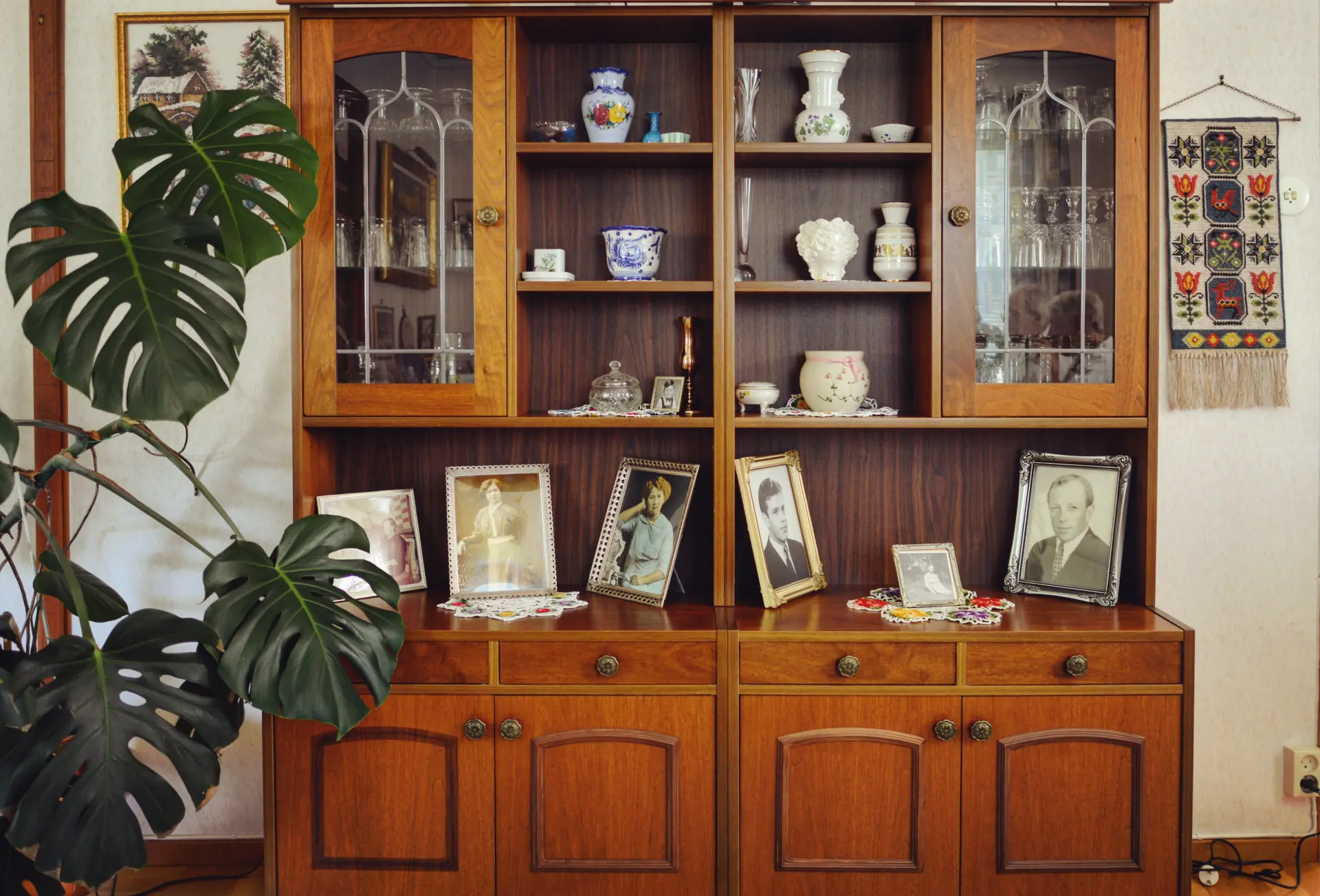
Living Room & Lounge: Display Cabinets
The living room usually holds cherished memories and treasured possessions. Display cabinets, sideboards and shelves are typically filled with ornaments, framed photos, and delicate collectables. Begin by removing all the items carefully, one section at a time, and always place them on a soft surface, such as a blanket, to avoid accidental damage. Take photos before moving anything to preserve the arrangement and to help identify sentimental or valuable pieces later.
Once the items are removed, sort them into clear categories: sentimental, valuable, and non-essential. Sentimental items might include photo albums or gifts, while valuable ones may be antiques, crystal or fine china. If you're uncertain about any item's worth, make a note, and you can have a valuation of it in the future. Non-essential decorative items can be donated or recycled to simplify the process.
Cleaning and maintaining the cabinet itself is also important. Some older cabinets are made from valuable wood or glass and may benefit from restoration rather than disposal. Check for hidden compartments or drawers, as small valuables or documents are sometimes tucked away and forgotten. Handle these discoveries with care and document everything as you go.
Dining Room: appliances, China, Silverware & Table Linens
In the dining room, you may find delicate and valuable items, such as fine china, silverware, and heirloom table linens. Begin the process by inspecting the china cabinets and sideboards closely, taking plenty of time to check for sets or complete collections. That way, you can group similar items together and handle each piece carefully to avoid accidents that lead to chips or cracks. Photographs of each set can help when creating an inventory or listing items for valuation.
When sorting silverware, look for hallmarks or engravings that may indicate value. Silver-plated pieces can be distinguished from solid silver with a careful inspection or a professional assessment. Clean each item gently using appropriate silver polish and store it in soft cloth pouches to prevent tarnishing. Avoid using harsh cleaning methods that could damage the finish.

Table linens, including napkins, runners, and cloths, need to be checked for any stains or discolouration. Some vintage fabrics can be completely restored through professional cleaning.
If they hold sentimental value, always consider keeping a few key pieces rather than the entire collection. For those that cannot be salvaged, it may be a nice idea to repurpose them into memory keepsakes, such as cushion covers, can be a meaningful alternative.
When the dining room is cleared, label each box clearly to avoid confusion later. Separating fragile items and wrapping them individually will prevent damage during storage or transport. A thoughtful, methodical approach ensures these family treasures are looked-after with the utmost care and respect they deserve.
Bedrooms: Wardrobes, Jewellery Boxes & Under-Bed Storage
Bedrooms can be emotional spaces to clear, as they tend to contain personal and private belongings. It's best to begin by going through the wardrobes, and removing all clothing, and separating them into manageable sections. Sort the items into specific categories, for example, create a keep, donate, or recycle pile, as this will make the job much easier. Designer or vintage garments may be suitable for resale or could be donated to charity auctions. Always check pockets before donating, as small valuables or notes are sometimes overlooked.
Jewellery boxes require particular care and attention. Empty each compartment carefully and inspect every piece. Costume jewellery should be separated from fine jewellery to prevent scratches or tangling. If you are unsure about the value of certain pieces, have them assessed by a professional valuer. Keep all jewellery together in a secure container until decisions are made about distribution or sale.
Under-bed storage areas often hold forgotten or hidden items. Boxes of documents, shoes, or old keepsakes can accumulate over time. Take the time to open and closely review each container before deciding what to do with the contents. You may find sentimental items such as letters or photographs that deserve to be preserved rather than discarded.
Bedrooms: Wardrobes, Jewellery Boxes & Under-Bed Storage
The home office or study is an area where lots of confidentiality and organisation are incredibly vital. Begin by collecting all documents, including bills, bank statements, and legal papers. Sort them into categories such as personal, financial, and legal. Do not discard anything until you have checked whether it might be needed for probate or tax purposes. Store any essential papers inside labelled folders, as this makes them easy to reference throughout the process.
Financial records, including investment details and insurance policies, are often required during estate management. Keep these in a secure location and provide copies to the executor or solicitor if necessary. Shred or professionally dispose of outdated or duplicate documents to protect personal information. This make sure that sensitive data does not fall into the wrong hands.

The computers, hard drives, and mobile devices of your loved one need to be handled carefully, as they may store plenty of essential information.
Before disposing of or reusing them, make sure all data is permanently deleted, and this can be done through professional data wiping services. They can remove files safely and securely to avoid potential breaches of privacy. Always remember to check for saved passwords, digital subscriptions, or online accounts that may need to be closed or transferred.
Finally, clean and organise the workspace, and this can be done by removing furniture or equipment thoughtfully, and donating the useful items where possible. The goal is to leave the space completely clear and dignified, so that no sensitive information or digital trace is left behind.
Loft/Attic: Memorabilia, Seasonal Items & Archives
The loft or attic is often a treasure trove of family history. Boxes stored for decades may contain photographs, letters, and keepsakes that tell personal stories. Begin by clearing a safe workspace and wearing suitable protective clothing, as dust and insulation can be irritating to the skin. Sort your boxes methodically, noting any items of historical or emotional value.
Any memorabilia, like trophies, medals, or school records, can hold deep sentimental meaning, and they are great reminders of your loved one's life. Decide which items to keep, photograph, or share with family members. If storage space is limited, consider digitising documents and photos to preserve them without keeping bulky boxes. This also allows future generations to access and appreciate their family history easily.
If you find any seasonal decorations that accumulate in attics, like camping gear, Christmas decorations, and unused furniture, these may be worth keeping too. Check their condition before deciding whether to keep or dispose of them. Any items that you don't want to keep, but are in working order, can be donated, whereas damaged ones should be safely recycled. Be cautious with electrical goods or materials affected by dampness or mould.
From single rooms to entire estates, we deliver licensed, careful house clearances in Oxford, Summertown or Woodstock. Our services span bereavement, probate, end-of-tenancy, office, hoarder and garden clearances, plus furniture and appliance removal, deep cleaning and rubbish disposal.
Related Articles
What Happens to Valuables During a Bereavement Clearance